Explore Xi’an China Culture History Traditions and Iconic Landmarks
If you’ve ever wondered why Xi’an China culture draws history lovers and travelers from around the world, you’re about to find out. This ancient city isn’t just an archaeological treasure—it’s a living showcase of China’s imperial dynasties, Silk Road heritage, and rich traditions that still pulse through its streets today. From the awe-inspiring Terracotta Army to the vibrant Muslim Quarter, Xi’an offers an unparalleled cultural journey. Stick around, and we’ll dive deep into what makes this city the beating heart of ancient China—and how you can experience it firsthand.
The Historical Foundation: Xi’an as China’s Ancient Capital
Wondering why Xi’an holds such a special place in China’s culture? It all starts with its rich history as one of China’s oldest capitals, known in ancient times as Chang’an. From the Zhou to the Qin, Han, and Tang dynasties, Chang’an was the political, economic, and cultural heart of the country for 13 different dynasties. Here’s why it mattered so much:
- Strategic Location: Nestled in the fertile Guanzhong Plain, Chang’an was chosen for its defensible position and accessibility to trade routes.
- Unifying China: Under Qin Shi Huang, the first emperor, Xi’an (then Chang’an) was key in unifying warring states into a single empire, setting the stage for centralized rule.
- Silk Road Hub: Xi’an was the eastern starting point of the famous Silk Road, turning the city into a bustling gateway for goods, ideas, and culture between East and West.
- Political and Cultural Center: For centuries, Xi’an wasn’t just a capital—it was the beating heart of imperial China, where emperors ruled, scholars thrived, and the arts flourished.
This deep historical foundation makes Xi’an a living museum of Chinese civilization, connecting ancient legacy to modern culture.
Iconic Cultural Landmarks and Archaeological Wonders
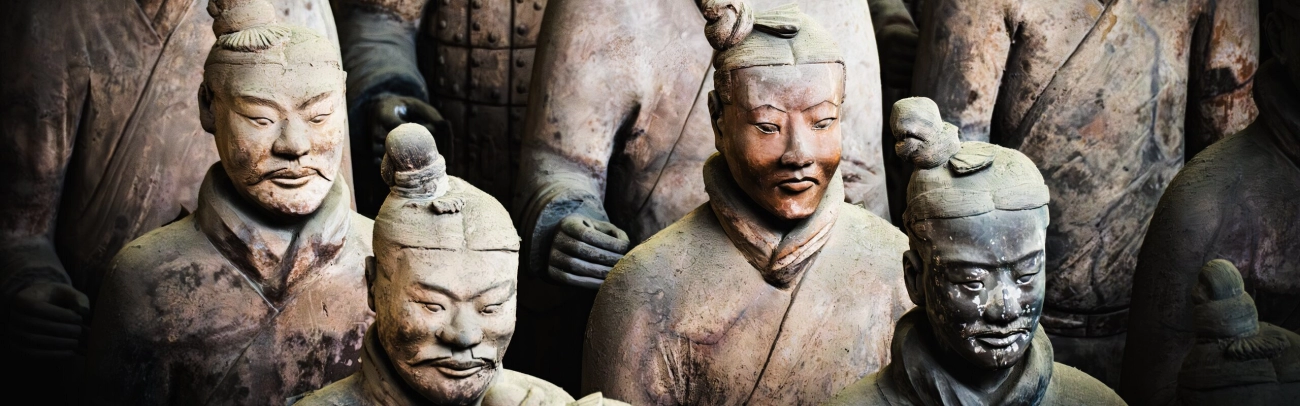
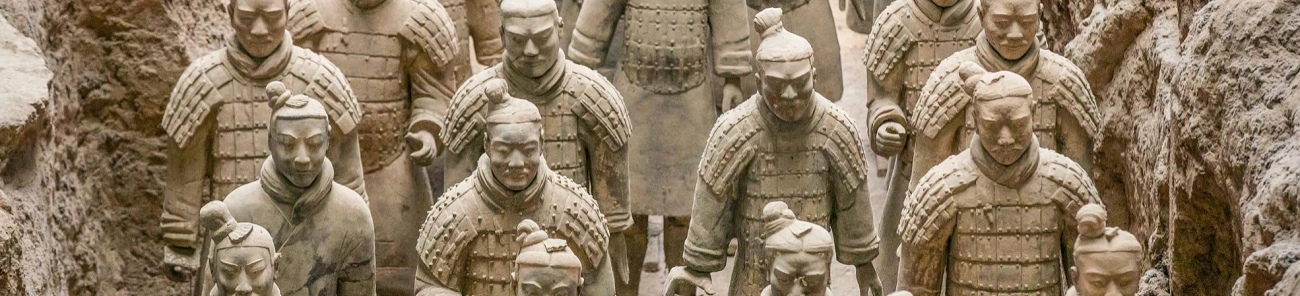
Xi’an’s cultural landmarks are some of the best ways to experience China’s rich history firsthand. The Terracotta Army is a must-see. Discovered in 1974, this vast collection of thousands of life-sized clay soldiers was built to protect Emperor Qin Shi Huang in the afterlife. It’s not just a military display—it symbolizes the immense power and unification efforts of the Qin Dynasty. For a deeper understanding, check out this detailed Terracotta Army guide.
The Ancient City Wall is another highlight, standing strong since the Ming Dynasty. Stretching nearly 14 miles, this well-preserved fortification showcases classic Ming-era architecture. It’s popular with visitors who rent bikes to ride along its broad top, enjoying panoramic views of old and new Xi’an blending together.
Two iconic Buddhist landmarks, the Giant and Small Wild Goose Pagodas, reflect Tang Dynasty culture and the city’s religious importance. These pagodas honor the monk Xuanzang, who brought back Buddhist scriptures from India and helped spread Buddhism through China along the Silk Road.
Close to the city center, the Bell and Drum Towers reveal Xi’an’s historical approach to timekeeping with their harmonious Ming architectural style. Both towers offer a glimpse into the city’s daily life centuries ago. For more about these landmarks, here is a useful Bell Tower travel guide.
Together, these sites showcase Xi’an’s lasting legacy as a cultural and historical powerhouse in Chinese history.
Religious and Ethnic Diversity: A Melting Pot of Traditions
Xi’an’s culture is deeply shaped by its rich religious and ethnic diversity. The city has been home to a multi-faith heritage where Buddhism, Taoism, and Islam have coexisted and influenced each other over centuries. This cultural blend reflects Xi’an’s role as a key hub on the ancient Silk Road, fostering exchanges not just in goods but also in beliefs and practices.
One of the most striking examples of this diversity is the Great Mosque in Xi’an, an architectural gem that beautifully merges traditional Chinese design with Islamic features. It’s located right in the bustling Muslim Quarter, where the Hui community maintains their vibrant lifestyle, blending religious customs with everyday city life. This area is a living testament to the unique Sino-Islamic culture that flourished here.
In addition to the mosque and Muslim Quarter, Xi’an also boasts Taoist temples scattered throughout the city, highlighting the enduring presence of Taoism. Historical records even reveal Nestorian Christian influences dating back to the Silk Road era, adding another layer to the city’s spiritual landscape. Together, these elements create a cultural mosaic that continues to define the identity of Xi’an today.
Culinary Heritage: Xi’an’s Food as Living Culture
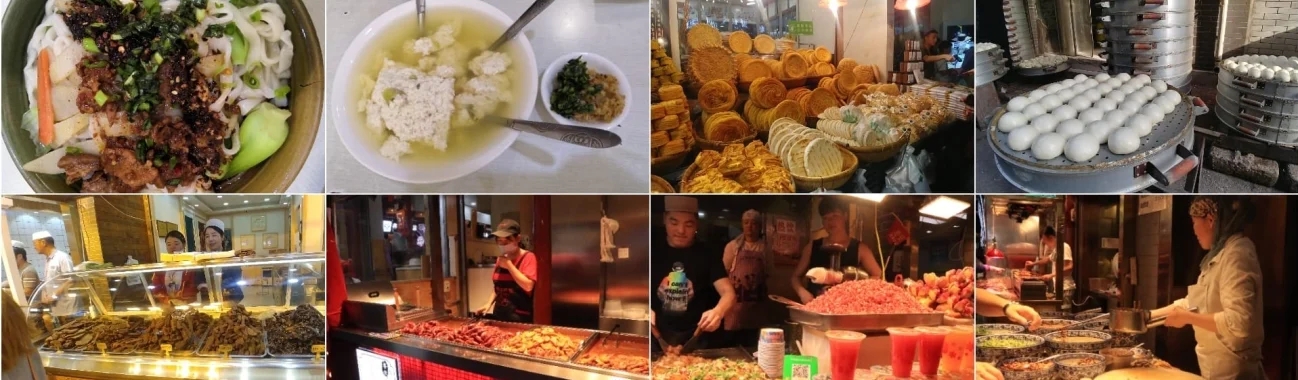
Xi’an’s food scene is a true reflection of its rich history and cultural mix. The city’s signature dishes, like Roujiamo (often called the Chinese hamburger), Yangrou Paomo (a hearty mutton soup with torn bread), Biangbiang noodles (wide, hand-pulled noodles), and Liangpi (refreshing cold skin noodles), offer a delicious taste of Shaanxi history. These dishes have deep roots and are loved by locals and visitors alike.
The Muslim Quarter Xi’an is a must-visit for street food fans. This vibrant area is packed with stalls serving kebabs, spicy dumplings, and many other snacks blending Chinese and Islamic flavors. It really shows the city’s ethnic diversity and how different traditions come together in food.
Xi’an’s cuisine also carries the legacy of the Silk Road, where imperial tastes and exotic spices traveled through the city. This connection helped shape the unique flavors found here, making the food not just a meal but a living part of Xi’an’s culture.
For anyone looking to dive deeper, booking a cultural tour with Xi’an Travel is a smart way to explore the city’s culinary heritage firsthand.
Traditional Arts, Crafts, and Folk Customs in Xi’an
Xi’an’s culture shines through its traditional arts and crafts, a true reflection of Shaanxi history. One of the best places to see this is the Beilin Museum, also known as the Forest of Steles. Here, you’ll find impressive Chinese calligraphy carved into ancient stone steles, offering a window into centuries of written art.
Folk arts play a big role too. Huxian peasant paintings bring simple yet vibrant rural life scenes to the canvas, while paper cuttings and shadow puppetry showcase fun, hands-on craft traditions that have been passed down for generations. These arts aren’t just relics—they’re still alive in local festivals and markets.
For performance lovers, Xi’an offers rich experiences with Tang Dynasty shows that revive its golden age, and Qinqiang opera, a lively local theater style full of emotion and history. Nowadays, you can also catch modern immersive performances blending traditional storytelling with new tech.
A standout trend today is the Hanfu cultural revival. Visitors can rent or buy traditional Han Chinese clothing and even join in photo shoots or cultural events dressed in Hanfu. It’s a great way to connect with Xi’an’s unforgettable past while experiencing living traditions firsthand.
This blend of traditional arts, local crafts, and folk customs makes Xi’an a treasure trove for anyone interested in authentic Chinese culture beyond the usual tourist spots.
Immersive Cultural Experiences and Modern Twists in Xi’an Culture
When you visit Xi’an, you can dive deep into its rich culture through hands-on activities that bring history to life. Try making mini Terracotta Warriors at workshops—it’s a fun way to connect with Qin Dynasty artifacts. You can also join calligraphy classes to practice Chinese calligraphy, a key part of Xi’an’s artistic heritage, or roll up your sleeves in dumpling-making sessions that highlight the city’s famous culinary traditions.
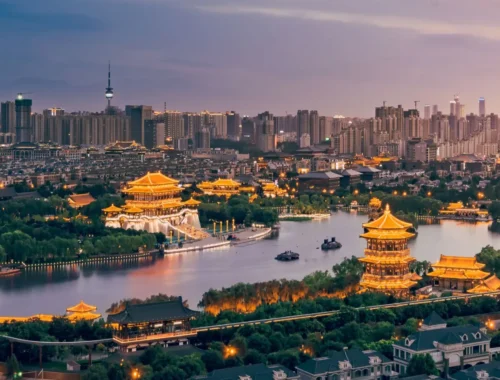
The city’s nightlife and festivals add a modern twist to ancient culture. Tang Paradise theme park offers spectacular light shows and performances inspired by Tang Dynasty culture, creating a vibrant atmosphere after dark. Nearby, Datang Everbright City buzzes with shops, restaurants, and entertainment venues, perfect for experiencing contemporary local life.
For a more authentic slice of daily living, catch morning tai chi in Xi’an’s parks or explore bustling markets inside the Muslim Quarter Xi’an. These moments offer meaningful cultural exchanges and a window into the city’s living traditions. Whether it’s through interactive workshops or lively festivals, Xi’an culture stays dynamic, blending its famous history with today’s energy.
Practical Tips for Experiencing Xi’an Culture
Planning your trip to Xi’an? Here are some straightforward tips to make the most of your visit to this ancient capital and its rich cultural scene.
Best Time to Visit
- Spring (March to May) and Autumn (September to November) offer the best weather for exploring outdoor sites like the Xi’an city wall and the Muslim Quarter.
- These seasons also host many cultural events and festivals tied to Tang Dynasty culture and local traditions, giving you a deeper glimpse into Xi’an ancient capital life.
Navigating Sites Efficiently
- Buy tickets online in advance, especially for popular spots like the Terracotta Army and the Giant Wild Goose Pagoda, to avoid long waits.
- Consider joining a guided tour with local experts who can explain the history behind Qin Dynasty artifacts and the Silk Road history.
- Arrive early at major sites to beat the crowds and enjoy a more relaxed experience.
Sustainable and Respectful Travel
- Respect local customs, especially around religious sites like the Great Mosque Xi’an and Taoist temples.
- Avoid touching fragile displays, such as the calligraphy steles at the Beilin Museum, unless indicated.
- Support local businesses by buying authentic Xi’an traditional food and crafts directly from the community.
Book a Tailored Tour with Xi’an Travel
For a smooth, enriching trip, consider booking a tailored cultural tour with Xi’an Travel. Their expert guides will help you dive deep into Shaanxi history and make sure you don’t miss must-see attractions and hidden gems. Whether you want to explore the Muslim Quarter Xi’an, try a Hanfu experience, or enjoy hands-on workshops, they have you covered.
Planning ahead will let you enjoy Xi’an’s history and culture fully—without the hassle.


You May Also Like
Daming Palace National Heritage Park Guide Xi’an History Highlights
Tang Paradise Xi’an Guide Night Shows Tickets and Tips