Terracotta Army Guide 2026 History Facts and Visiting Tips
Imagine standing face-to-face with thousands of life-size terracotta soldiers, each one guarding the tomb of Qin Shi Huang, China’s first emperor. The Terracotta Army isn’t just an archaeological marvel—it’s a glimpse into the ambition, craftsmanship, and mystery of the Qin Dynasty. Discovered by chance in 1974 near Xi’an, this UNESCO World Heritage site continues to captivate travelers and history buffs alike. Whether you’re curious about the army’s origins, eager to explore the vast Xi’an Terracotta Army Museum, or planning your 2026 visit with insider tips from a local expert, this guide covers everything you need to know. Ready to dive into one of the Eighth Wonders of the World? Let’s get started.
Historical Background: The Legacy of Qin Shi Huang
Qin Shi Huang, China’s first emperor, is a towering figure in Chinese history. Rising to power during the late Qin Dynasty, he is best known for unifying the warring states into one empire around 221 BC. His reign marked major reforms, including standardized writing, currency, and even road systems, laying the foundation for modern China.
Driven by an intense ambition for immortality, Qin Shi Huang sought eternal life and protection beyond death. This desire led to the creation of the Terracotta Army—an immense underground army designed to guard him in the afterlife. The life-size terracotta warriors symbolize his power and vision, intended to accompany him forever when his mortal life ended.
Construction of this vast army and mausoleum spanned from roughly 246 BC, when Qin Shi Huang became king, until his death in 208 BC. It involved a massive workforce—estimated at tens of thousands of laborers—who molded thousands of soldiers, horses, chariots, and weapons. This colossal project reflects not only the emperor’s grand ambitions but also the advanced craftsmanship and organization of ancient China during the Qin era.
The Astonishing Discovery in 1974
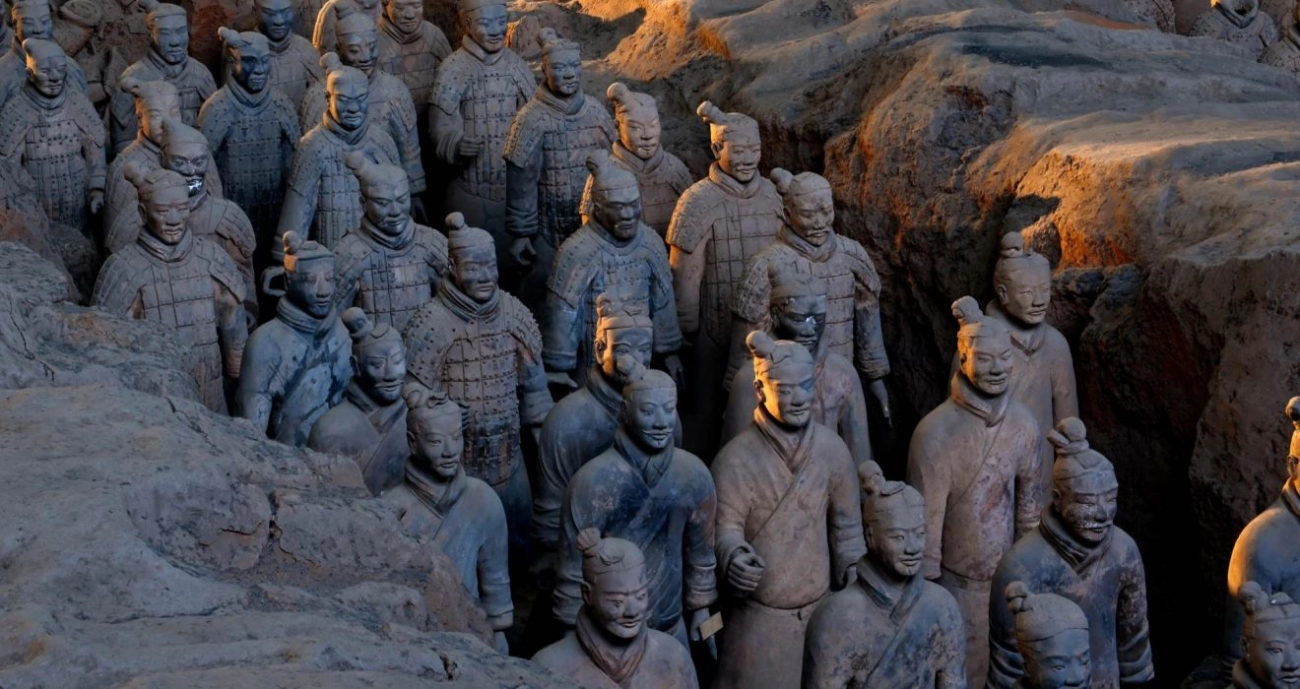
The Terracotta Army wasn’t found on purpose—it was an accidental find by local farmers digging a well in 1974 near Xi’an, in Lintong District. One of the key figures in this discovery was Yang Zhifa, a farmer who spotted fragments of terracotta warriors while digging. What started as a simple find quickly turned into a major archaeological event.
Once archaeologists arrived, they uncovered a massive underground necropolis, revealing thousands of life-size terracotta soldiers, horses, and chariots. This unexpected discovery showed just how vast and detailed Emperor Qin Shi Huang’s mausoleum complex was, reshaping our understanding of the Qin Dynasty’s ancient Chinese army and its legacy. The Xi’an Terracotta Army Museum was established to preserve and showcase this “Eighth Wonder of the World,” drawing visitors from across the globe.
Exploring the Site: The Pits and What You’ll See
The Xi’an Terracotta Army Museum is centered around Emperor Qin Shi Huang’s massive mausoleum complex. Here, you’ll explore three main pits where the incredible life-size terracotta warriors and other fascinating artifacts are displayed.
Pit 1 is the largest and most famous. It houses thousands of soldiers arranged in tight battle formations, giving you a real sense of the ancient Chinese army’s scale and power.
Pit 2 features cavalry, archers, and several terracotta chariots. What stands out here are the detailed bronze components on the horses and weapons, showcasing advanced craftsmanship for the Qin Dynasty.
Pit 3 is smaller but unique—it’s thought to be the command center with elite officers and generals, offering insight into how the army was organized.
Beyond the pits, don’t miss the stunning bronze chariots and terracotta horses that once accompanied the warriors. There are even figures like acrobats and entertainers, highlighting the broad scope of the emperor’s afterlife army.
One of the coolest things about the Terracotta Army is the unique details. Each warrior’s face is different, with individual features—no two are exactly alike. Originally, these figures had vibrant paint, which has mostly faded over time, but you can still see hints of their colorful past. The level of craftsmanship here is impressive, reflecting the skill and resources of ancient Chinese artisans.
Fascinating Facts and Mysteries of the Terracotta Army
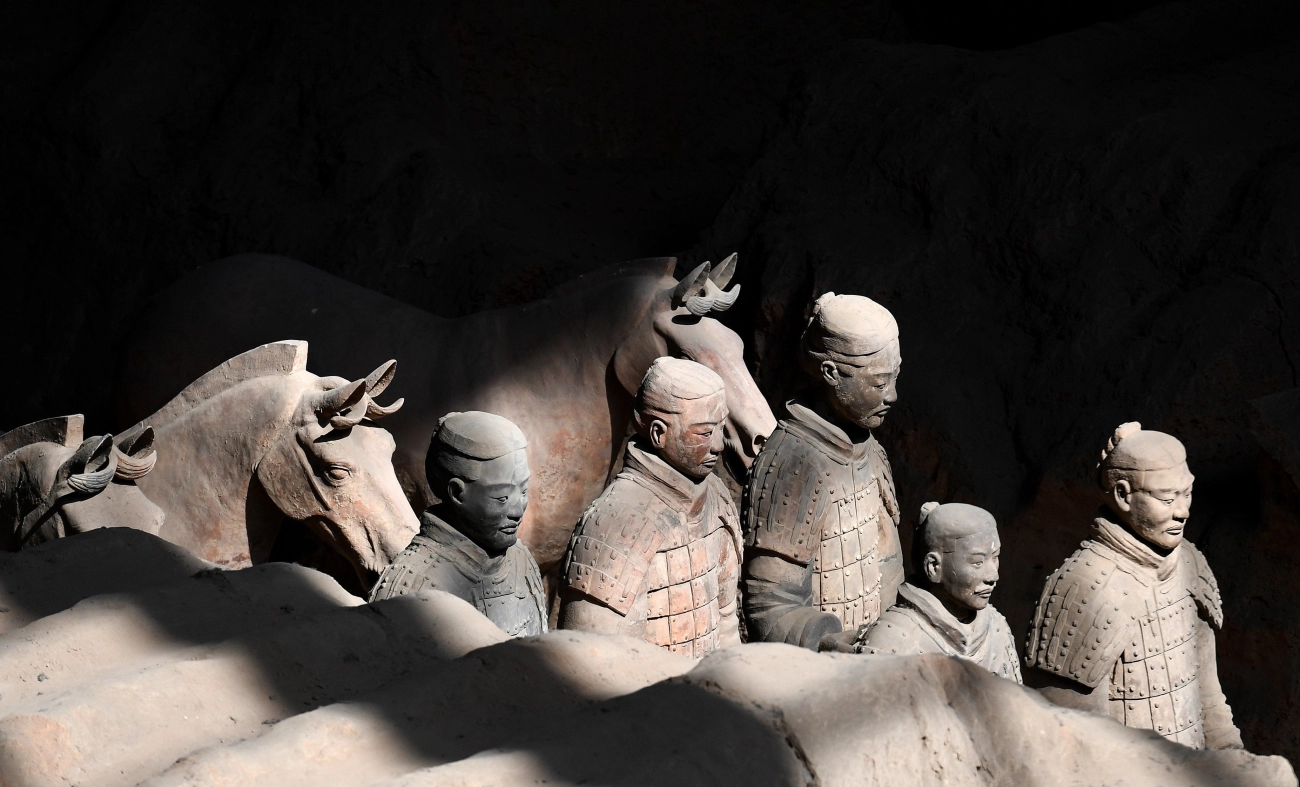
The Terracotta Army is truly stunning—not just for its size but for the stories behind it. Experts estimate there are over 8,000 warriors, around 130 chariots, and approximately 670 terracotta horses buried near the Emperor Qin mausoleum. What’s incredible is that these life-size terracotta soldiers weren’t made one by one. Instead, ancient craftsmen used early assembly-line production techniques, speeding up the labor without losing detail.
One of the biggest puzzles is why every warrior looks unique. Some say they were modeled after real soldiers, while others think molds were adjusted to create subtle differences—a mix of both might be true. This personal touch adds to the army’s lifelike impression.
The main tomb of Qin Shi Huang remains unopened due to concerns about damaging priceless artifacts. Ancient records talk about rivers of mercury inside the tomb, traps to deter thieves, and advanced preservation challenges that still puzzle scientists. These mysteries keep the Terracotta Army intriguing even after decades of study.
Because of its historical and cultural significance, the Xi’an Terracotta Army Museum is often called the “Eighth Wonder of the World.” It has captured global attention, shining a spotlight on the genius of the Qin Dynasty and the incredible craftsmanship of ancient China’s army.
Practical Visitor Guide for 2026: Visiting the Terracotta Army
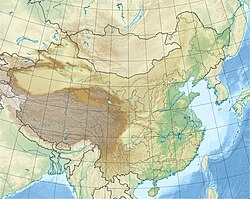
The Terracotta Army is located about 40 kilometers northeast of Xi’an, in the Lintong District. It’s an easy day trip if you’re staying in Xi’an, and well worth the visit.
How to Get There
- Public Bus: Routes like 306, 914, or 915 will take you directly to the Xi’an Terracotta Army Museum.
- Metro + Transfer: You can take the metro to a connecting bus stop and transfer to a bus heading to the site.
- Taxi or Didi: Convenient and faster, especially if you’re in a group or want direct access.
- Private Transfer with Xi’an Travel: For a hassle-free experience, Xi’an Travel offers private transport that includes pick-up and drop-off.
Ticket Information
- The entry fee is a fixed price of around CNY 120.
- Important: Tickets must be booked in advance with real-name registration due to a limited daily quota. This helps avoid sold-out days and crowds.
Opening Hours and Best Time to Visit
- The site opens early; arriving right when it opens gives you a chance to beat crowds.
- Avoid visiting on major Chinese holidays to enjoy a more peaceful experience.
What to Expect On-Site
- You’ll spend around 3 to 4 hours exploring the pits and museum.
- The site involves some walking, mostly on flat ground around the large vaults housing the Terracotta Warriors.
- The museum and main pits (Pit 1, Pit 2, and Pit 3) are indoors, which is good for all weather.
- The site is wheelchair accessible, but it’s a large area, so plan accordingly.
Insider Tips
- Book a guided tour for deeper insights into the history and craftsmanship of the Qin Dynasty army.
- Pair your visit with nearby attractions like the Huaqing Hot Springs for a richer cultural day trip.
Whether you’re a history buff or just curious about one of the world’s greatest archaeological discoveries, the Xi’an Terracotta Army Museum offers a unique window into ancient China’s legacy.
Why Visit with Xi’an Travel?
Choosing Xi’an Travel to explore the Terracotta Army and other Xi’an attractions makes your trip smooth and unforgettable. They offer personalized itineraries that combine the Terracotta Warriors experience with must-see spots like the Xi’an City Wall, the vibrant Muslim Quarter, and the Big Wild Goose Pagoda. This way, you get a complete taste of Xi’an’s rich history and culture in one go.
You’ll also benefit from expert local guides who know the stories behind the Qin Shi Huang tomb and the Qin Dynasty artifacts inside the museum. They make the visit engaging, helping you connect with the ancient past beyond just seeing statues.
On top of that, Xi’an Travel handles all the logistics—from advance ticket bookings (needed for the Terracotta Army Museum) to arranging comfortable transportation options. That means no lines or stress, just more time to enjoy the site’s wonders. Plus, they often include exclusive experiences you won’t find on your own. For visitors from the U.S., this hassle-free, tailored approach is perfect, making your trip to the Xi’an Terracotta Army Museum truly worthwhile.

You May Also Like

Best Way to Travel from Beijing to Xi’an Train vs Flight Guide
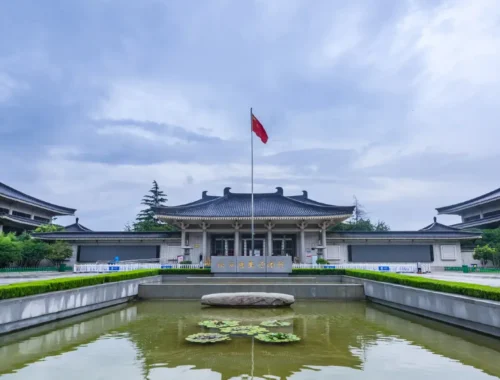
Shaanxi History Museum Guide Tickets Highlights and Tips